The model identifies four actions of effective communication:
The Four Player Model
Resolving “Stuck” Commmunication
Background
- Designed by David Kantor
- Diagnoses & helps resolve “stuck” communication
- Based on 30+ years of research on groups
Four Actions of Effective Communication
Four Actions of Effective Communication
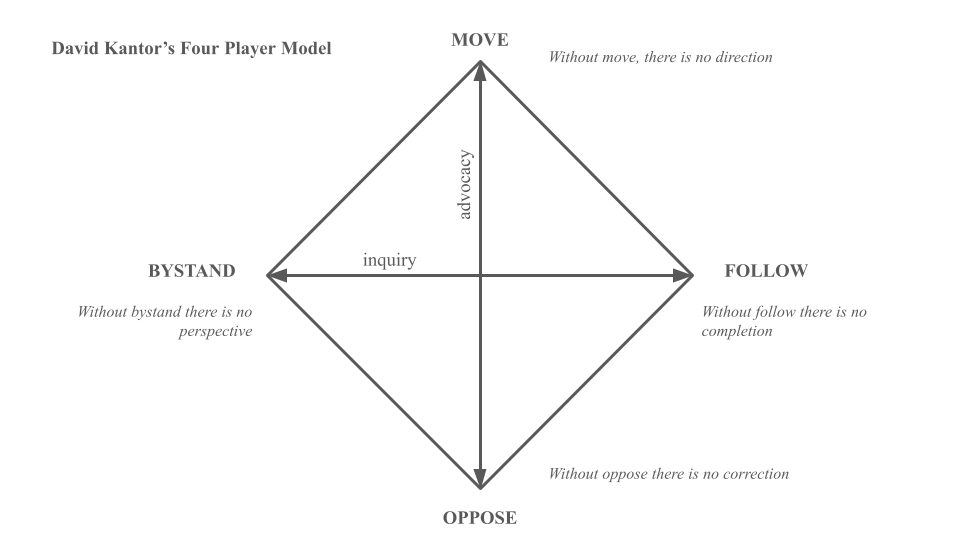
The model identifies four actions of effective communication:
- Move - Initiate an idea, action, or direction for conversation
Four Actions of Effective Communication
The model identifies four actions of effective communication:
- Move - Initiate an idea, action, or direction for conversation
- Follow - Continue the direction or flow of the conversation
- Either by agreeing or asking for more information
Four Actions of Effective Communication
The model identifies four actions of effective communication:
- Move - Initiate an idea, action, or direction for conversation
- Follow - Continue the direction or flow of the conversation
- Either by agreeing or asking for more information
- Oppose - Challenge or disagree with an idea, action, or suggested direction
Four Actions of Effective Communication
The model identifies four actions of effective communication:
- Move - Initiate an idea, action, or direction for conversation
- Follow - Continue the direction or flow of the conversation
- Either by agreeing or asking for more information
- Oppose - Challenge or disagree with an idea, action, or suggested direction
- Bystand - Add a neutral perspective
- Articulate what’s happening in a conversation
The Model
Group Conversations
- Each action in a discussion can be coded into this model
- Most of us default to one we’re comfortable with
- Effective conversations require listening & all four modes
- There are common “stuck” patterns when not doing this
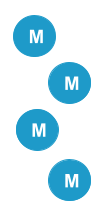
Stuck - Serial Moves
- Lots of idea generation
- May feel like a barrage
- No clear thread, decision, or follow through
‘Unstick’ Serial Moves
- Follow Give momentum to a particular move
For example:
Can we go back to the idea that Jose put on the table? That felt like a topic that could really use our attention. Shall we focus there?
‘Unstick’ Serial Moves
- Oppose Offer an effective oppose to a move
For example:
We’ve heard a lot of different ideas. I’d like to focus on the one Amelia laid out. I’m interested in the research question, but I don’t think machine learning is going to be the most productive approach. Can we dig in to this one?
‘Unstick’ Serial Moves
- Bystand Bring awareness to and disrupt the dynamic
For example:
Hey gang, we’re 20 minutes into our call and we’ve put a lot of different topics on the table. Where do we want to focus ourselves so we can walk away with some clear next steps?
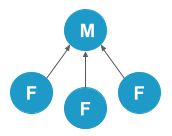
Stuck - Polite Discussion
- Moves are followed with little discussion or resistance
- A.k.a. “Courteous Compliance”
‘Unstick’ Polite Discussion
- Oppose Prompt an effective oppose
For example:
Who sees it differently?
What’s at risk here?
What other angles should we consider?
‘Unstick’ Polite Discussion
- Bystand Invite a bystand
For example:
Where is the group right now?
What are you noticing?
Is there an elephant in the room that needs to be named?
Stuck - Debate
- Individuals are locked in a back and forth
- May be just two people involved
- Each move is met with resistance / opposition

‘Unstick’ Debate
- Follow Invite a follow on one of the moves
For example:
What do you like about the proposal on the table?
What do you agree with that we could build upon?
‘Unstick’ Debate
- Oppose Coach for a more effective oppose
For example:
What elements of this do you agree with–or at least 2% agree with?
In your opinion, what would need to be changed to make this work?
‘Unstick’ Debate
- Bystand - Invite a bystand from someone less involved in the point-counterpoint
For example:
In addition to the two viewpoints on the table, I’d love to hear from some other perspectives.
What are you noticing?
What might we be missing?
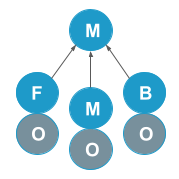
Stuck - Covert Opposition
- Conversation appears harmonious but people have unspoken reservations
- Opposition tends to be expressed outside of the conversation
- Or harbored as resentment
- Uneven power dynamics are often behind this pattern
- Group members defer to those with more power or seniority
‘Unstick’ Covert Opposition
- Oppose Prompt a transparent oppose
For example:
Who sees it differently?
What’s at risk here?
Are there some cons to the proposed idea?
‘Unstick’ Covert Opposition
- Oppose If others aren’t comfortable, you can offer an oppose
For example:
I’m not sure that collecting new data is feasible; just getting data for one state would take hours and we have ten states in our study.
‘Unstick’ Covert Opposition
- Bystand Offer a bystand on the ‘covert’ facet of the opposition
For example:
I want to offer a reflection from another team I was part of. On that team, we kept having meetings where it seemed like everyone was in agreement, but then we would leave, and over and over again there would be little follow through and more than a little grousing. People’s real opinions were only coming out in side conversations outside of the meeting. We lost a lot of time and forward momentum because people didn’t feel like they could air their concerns in the larger group. Do you see that happening here? Does anyone have a suggestion for how to make this a safer space to critically discuss ideas?
‘Unstick’ Covert Opposition
- Invite those with more power to follow or bystand to open up space for other players to make a move
For example:
I’m noticing that the younger folks in the room haven’t spoken up much. I know a number of them are using some interesting analytical methods for their dissertation work and I’d like to hear how those tools might be applied to this work